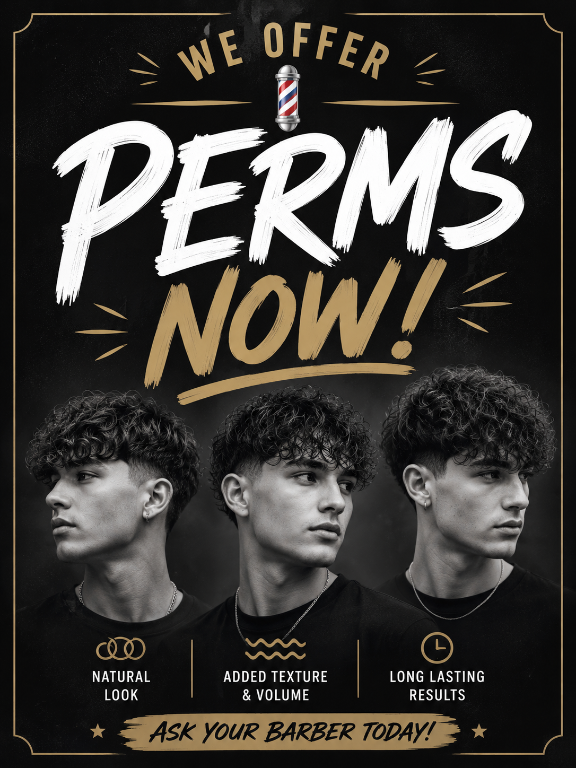
A clean skin fade is not just a short back and sides. Done properly, it changes the whole balance of your haircut: sharper around the ears, lighter through the sides and built to bring out the shape on top. If you are looking for a skin fade Southampton customers can rely on, the difference lies in the blend, the consultation and the finishing details – not simply how close the clippers go.
The style is popular for good reason. It works with a textured crop, a classic side parting, curly hair, a longer top or a modern quiff. It can look polished enough for the office, relaxed enough for a weekend at the match and fresh in every photo in between. But it is also a haircut that shows every line, so choosing the right fade height and keeping it maintained matters.
What makes a skin fade look right?
A skin fade takes the hair down to skin level at its shortest point, before graduating through increasingly longer lengths into the hair above. The best versions do not look like obvious steps. They look clean, even and naturally connected, with no dark weight lines cutting across the head.
That takes more than running a clipper upwards. Your barber needs to read how your hair grows, where your crown sits, whether you have stronger or softer temple points and how much density is on top. A fade that looks spot on from the front but leaves a heavy shadow at the back is not finished. The blend should hold together from every angle.
A close fade also puts the focus on the outline. The area around the ears, the nape and the front hairline need to be neat without being pushed too far back. A naturally sharp line will grow out better than one forced into a shape that does not suit you.
Low, mid or high skin fade?
There is no single best height. The right choice depends on your head shape, your preferred style and how much contrast you want between the sides and the top.
Low skin fade
A low skin fade begins just above the ear and keeps more darkness around the upper sides. It is a strong choice if you want a clean finish without making the haircut feel too severe. It suits men who wear a side parting, a natural textured top or a little more length through the fringe.
It can also be a sensible first move if you have not had a skin fade before. You still get that fresh, close finish around the edges, while retaining enough weight to keep the shape understated.
Mid skin fade
The mid fade sits around the temple area and offers the most versatile middle ground. It creates a noticeable contrast, works with most modern cuts and usually grows out more evenly than a high fade. If you are unsure what to ask for, this is often the best place to start.
For busy professionals, it is a particularly practical option. It looks deliberate and well kept without demanding a dramatic restyle every fortnight.
High skin fade
A high skin fade removes more weight from the sides and lifts the visual focus towards the top of the head. It is bold, sharp and ideal for a pronounced textured crop, a high-volume style or anyone who likes a stronger barbershop finish.
The trade-off is maintenance. Because there is less hair on the sides, fresh growth becomes noticeable sooner. A high fade can look excellent, but it asks for regular appointments if you want it looking properly crisp.
The top matters as much as the fade
The fade gets the attention, yet the top is what makes the cut yours. A skin fade paired with a disconnected top can create a high-contrast, streetwear-inspired look. A softly blended top gives a more classic result. Neither is automatically better – it depends on how you dress, how you style your hair and how much time you want to spend on it each morning.
Thick hair often benefits from texture and internal weight removal, so it does not sit like a solid block above close sides. Finer hair may look fuller with a slightly softer transition and a shorter, more controlled top. Curly hair can look brilliant with a skin fade too, though the barber should preserve the curl pattern rather than cutting the top into a shape that only works on the day of the appointment.
Bring a reference photo if you have one, but treat it as a starting point rather than a fixed instruction. The same cut will sit differently depending on hairline, density, face shape and styling routine. A good consultation turns the look you like into a version that works on you.
How to ask for a skin fade in Southampton
You do not need barbering terminology memorised before you sit in the chair. Saying that you want a low, mid or high skin fade is useful, but explaining the overall effect is just as valuable. Tell your barber whether you want the sides subtle or dramatic, how short you are comfortable going on top and whether you normally style your hair at all.
It also helps to mention your usual routine. If you need a cut that looks good with minimal effort before work, say so. If you are happy using sea salt spray, matte clay or a dryer for extra volume, there is more room to build shape into the top. If your hair grows out quickly around the temples or you have a cowlick that fights every style, that is useful information too.
At Rebel Male Grooming & Styling, the aim is elegantly uncomplicated: a considered haircut, clear advice and no guesswork about what will suit you. The best skin fade should feel like your regular look at its sharpest, not a style you cannot recreate once you leave the chair.
Keeping the fade fresh between appointments
Most skin fades look their sharpest for the first seven to ten days. By two to three weeks, the skin area begins to soften and the graduation loses some definition. How often you return comes down to the height of the fade, how fast your hair grows and how crisp you like your edges.
For a very clean high skin fade, many men book every two weeks. A low or mid fade can often stretch to three weeks, especially with a slightly longer top. Leaving it longer is not wrong, but you will move from a skin fade look towards a short, grown-out cut. If that is your preference, ask for a softer blend from the start.
At home, keep things simple. Wash away product properly, avoid overloading the hair with heavy wax and use a product that matches the finish you want. Matte clay gives texture and hold without a glossy look. A light cream can keep a more natural style controlled. If your scalp feels dry after close clipper work, a gentle moisturiser can help, but avoid applying anything greasy directly before your appointment.
Do not overlook the beard and finish
A skin fade can look even sharper when the beard is brought into the same visual line. This does not mean every beard needs a hard, squared shape. A good beard trim considers density, jawline and personal style, then creates tidy cheek and neck lines that complement the haircut rather than competing with it.
For men who are clean shaven, a razor finish around the hairline and sideburns can add that final level of detail. For those with fuller facial hair, a fade into the beard can make the haircut feel more joined up. It is a small adjustment with a big effect, particularly when the sides are taken right down to the skin.
A skin fade should give you that just-left-the-barbershop feeling without making your routine complicated. Choose a height that fits your lifestyle, be honest about how you style your hair and book the next cut before the edges lose their bite. Then settle in, enjoy the time out and let a precise cut do the talking.