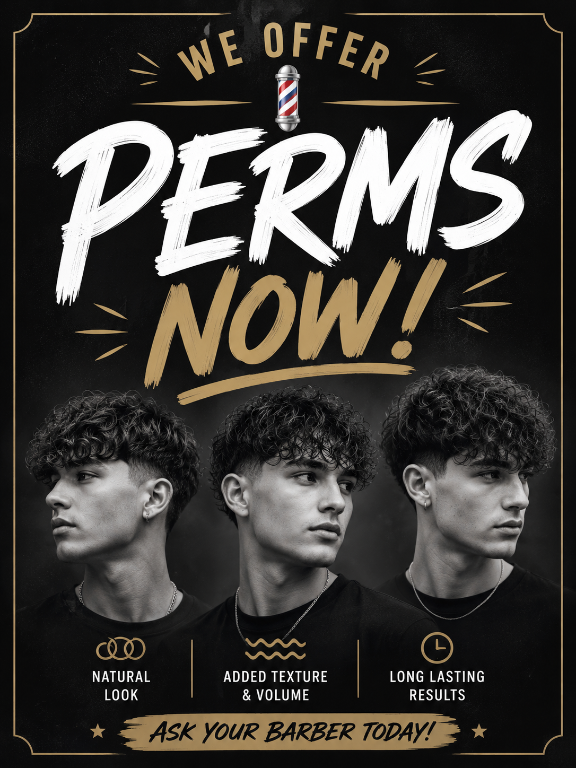
That moment when your usual cut no longer feels like you is a good one. Maybe the fade has become predictable, your longer hair has lost its shape, or your beard and haircut no longer look like they belong together. This men’s restyle guide is for making a proper change without taking a gamble on the result.
A restyle is more than asking for something shorter at the sides. It is a considered shift in length, shape and routine, built around your hair type, face shape, work life and the amount of effort you genuinely want to put in each morning. The best new look feels fresh on day one and still works when you are getting ready in five minutes on a Wednesday.
What Counts as a Proper Restyle?
A restyle is usually needed when the direction of your hair changes rather than simply its length. Moving from grown-out hair to a textured crop, replacing a high-maintenance style with a classic taper, or growing a skin fade into a longer, softer look all count. So does reshaping a beard to suit a new cut.
It is worth booking enough time for the job. A precise restyle involves consultation, sectioning, balancing the silhouette and styling the finish properly. Rushing it can leave you with a cut that looks decent under the barbershop lights but does not sit right once you wash it at home.
The aim is not to chase a photo exactly. It is to take the best parts of a look you like and make them work for your hair, your head shape and your everyday life.
Start With Your Real Routine, Not Just a Reference Photo
Photos are useful, especially when they show the front, sides and back of a style. Bring one along if you have it. But tell your barber what is happening beyond the photo too: whether your hair is thick, fine, curly, straight, dry, stubborn or thinning around the temples.
Be honest about styling. If you use product most days and do not mind a quick blow-dry, a textured quiff, swept-back style or longer layered top could suit you. If your morning routine is shower, coffee and out the door, a crop, short back and sides or low-maintenance taper may be the smarter move.
Your job matters as well. A sharply defined skin fade makes a statement and can look exceptionally clean with the right top length. A softer taper offers a more understated finish while still looking polished in the office. Neither is automatically better. It depends on how often you want to maintain it and how much contrast you want in the cut.
The Men’s Restyle Guide to Choosing Shape
The right shape can bring balance to your features without looking overly designed. A barber will assess this in person, but a few principles help you arrive with a clearer idea.
If your face is rounder, height and texture through the top can add definition. Avoid taking the sides too high or building excessive width around the temples if that makes the face appear broader. For a longer or narrower face, a lower taper and some width through the sides can prevent the style from looking too tall.
Hair density changes the conversation. Thick hair can carry texture and fuller shapes well, though it often needs weight removed to stop it becoming bulky. Fine hair benefits from a cut that creates movement without exposing too much scalp. Going very short can be a strong, deliberate choice, but it should be a choice rather than an accidental reaction to thinning.
Receding hairlines need thoughtful work, not a cover-up mission. A well-cut crop, short textured fringe or neat crew style can look confident and intentional. Trying to force a high quiff from hair that does not want to stand there usually creates more work than it is worth.
Moving from Long to Short
This is one of the biggest changes you can make, and it is often the most satisfying. Long hair can feel heavy, uneven or difficult to manage once it has passed its best stage. Going shorter brings back structure, but there is a trade-off: you cannot put the length back next week.
Talk through the shortest point before the first clipper goes near your head. Decide whether you want skin at the sides, a number one, or a longer scissor-over-comb finish. If you are unsure, leaving a little more length initially is sensible. You can always go shorter during the appointment; growing back takes time.
Growing a Short Cut Into Something Longer
Growing out a fade is not simply a case of avoiding the barber for three months. The sides can become wide while the top remains too short to balance them, creating the awkward stage everyone knows.
Regular clean-ups make the process far easier. Keeping the neckline, sideburns and bulk under control lets the top gain length without the whole cut looking untidy. Your barber can also change the fade into a taper, then gradually soften the outline as the shape develops.
Bring Your Beard Into the Plan
A new haircut can make an old beard shape suddenly look out of place. A close skin fade with a heavy, unstructured beard can feel top-heavy, while longer hair often suits a beard with more natural fullness and softer transitions.
You do not need a large beard to benefit from shaping. Cleaning the cheek line, neckline and moustache can sharpen the entire look. For fuller beards, blending the sideburn into the haircut creates a deliberate connection between the two rather than a hard stop at the ear.
If you are making a major change, consider booking your hair and beard together. It gives the barber the full picture and means the finished look is balanced from every angle. A razor finish can add extra definition where appropriate, while a hot towel shave is ideal when you want to leave feeling properly reset rather than simply tidied up.
How to Prepare for a Restyle Appointment
Arrive with clean, dry hair if possible, unless you have been told otherwise. Heavy wax, clay or greasy product can hide how the hair naturally falls and make an accurate consultation harder. There is no need to turn up freshly styled to perfection – your barber needs to see the reality of your hair.
Wear something you would normally wear, particularly if you are considering a bolder change. A haircut should suit your usual look, not only the version of you in a saved social media photo. Mention anything that affects your decision, such as a wedding, holiday, new job or a preference to keep enough length for a particular style.
Most importantly, say what you do not like about your current cut. Perhaps the crown sticks up, the fringe falls into your eyes, the sides puff out after two weeks, or the beard feels too square. Those details are often more useful than saying you want something “different”.
Keeping the New Look Looking New
The maintenance schedule depends on the cut. Skin fades and crisp beard lines tend to look their sharpest with appointments every two to three weeks. A taper or scissor cut can often go longer, while medium and long styles benefit from regular shape-ups even when you are growing the length.
Use the product that suits the finish, not the product you happen to have in the bathroom. Matte clay gives grip and texture for shorter styles. Paste generally offers flexible control with a natural look. Creams work well for longer hair that needs movement rather than stiffness. Start with less than you think you need, warm it between your palms, then add more only if required.
Washing matters too. Overwashing can leave some hair dry and difficult to control, especially if it is naturally wavy or curly. A good routine should leave your hair clean, manageable and comfortable, not stripped. If you are uncertain, ask at your appointment rather than buying a cupboard full of products that do not match your cut.
A restyle should make getting ready feel better, not more complicated. At Rebel Male Grooming & Styling, the right consultation leaves room for your ideas while giving you straight advice on what will actually work. Book your new look when you are ready for a change that still feels like you – only sharper.