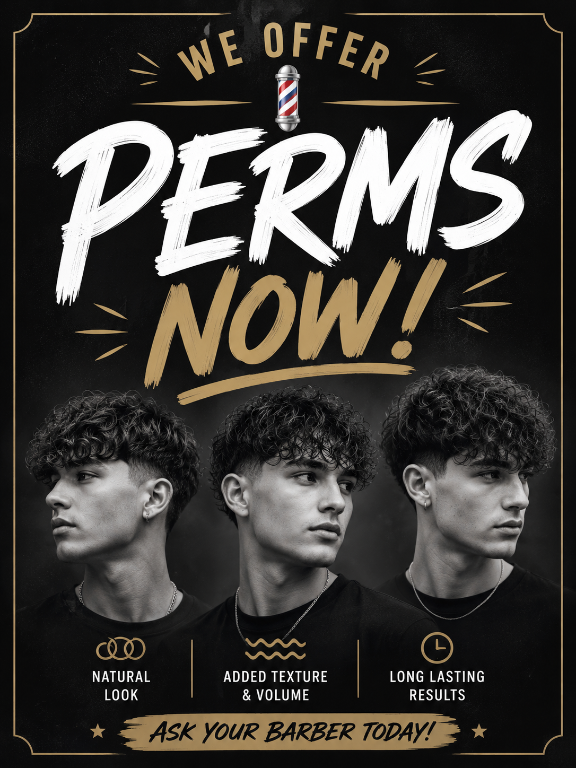
Thick hair is a good problem to have, right up until it pushes forwards at the crown, balloons at the sides or refuses to sit the same way twice. Knowing how to style thick hair is less about using more product and more about getting the shape, direction and finish right from the start. With the right cut and a simple routine, that natural density becomes your strongest feature.
Start With a Cut That Removes Weight
The styling battle is often won in the barber’s chair. Thick hair grows out with real presence, which means an unsuitable shape can quickly feel bulky rather than purposeful. If the sides are left too heavy, the head can look wider. If the top is over-layered without a plan, it can stand up, spread out or become hard to control.
Your barber should look at where your hair is thickest, how it grows around the crown and whether it has a straight, wavy or coarse texture. Those details decide how much weight to remove and where to retain it. Thick hair does not always need to be cut very short. It needs balance.
A skin fade or taper can sharpen the outline and take pressure off the sides, while leaving enough length through the top for a textured crop, quiff, side part or swept-back look. For medium and longer styles, discreet weight removal can make the hair easier to move without leaving it thin or wispy. The goal is controlled density, not taking every bit of bulk out.
Be clear about your morning routine when you sit down. If you want a cut that works with a quick towel dry before work, say so. If you are happy to use a dryer for a stronger finish, that opens up more styling options. A good haircut should suit your hair and the time you are realistically willing to give it.
How to Style Thick Hair After Washing
Freshly washed thick hair can be deceptively difficult. It holds plenty of water, then dries in whichever direction it fancies if you leave it alone. Do not scrub it aggressively with a towel, as that roughs up the cuticle and can create unnecessary frizz, especially if your hair has a wave.
Instead, blot and squeeze out excess water until it is damp rather than dripping. This is the ideal point for a pre-styler. A light sea salt spray adds grip and texture for messier styles, while a grooming tonic or styling cream gives more control and a softer finish. Start with less than you think you need. You can always add a little more, but too much product on thick hair can turn a full style into a heavy one.
Apply the product evenly, working from the back through to the front. Get it close to the roots as well as over the surface. Thick hair can hide product on the outer layer, leaving the hair underneath to do its own thing.
Use the Dryer With Purpose
For most thick-haired styles, a hairdryer is not optional if you want a reliable result. It does not need to be a lengthy production. Two or three focused minutes can make the difference between hair that is merely dry and hair that is directed into shape.
Set the dryer to a medium heat and airflow. Aim it from the roots towards the ends, following the direction you want the hair to sit. Drying against the natural growth creates lift, which is useful for a quiff or textured top. Drying it down and back helps reduce volume for a neat side-swept style or a longer, relaxed look.
Use your fingers for a natural finish. If you prefer cleaner lines or a classic parting, use a vent brush or a comb to guide the hair as you dry. Keep the dryer moving rather than holding it in one spot. High heat can make coarse, thick hair feel dry and more difficult to manage over time.
Finish with a short blast of cool air once the shape is in place. It helps the style settle and stops you applying your finishing product to hair that is still holding heat and moisture.
Match the Product to the Finish You Want
The best product for thick hair depends on the result, not the label. A strong product is not automatically better. In fact, the wrong heavy product can make a thick head of hair look dense, shiny and overworked.
For a natural, textured crop, use a matte clay or paste. Rub a small amount between your palms until it disappears, then work it through the hair from the back. Pinch sections with your fingertips to create separation. This gives thick hair definition without making it look stiff.
For a classic side part, pomade or a medium-shine styling cream provides control and a more polished finish. Water-based products are usually easier to wash out and better suited to regular use. Apply them to dry or nearly dry hair for a tidy result that still moves.
For a quiff, loose pompadour or brushed-up style, start with a pre-styler and dryer, then use a small amount of clay or fibre to hold the shape. Thick hair can create serious volume on its own, so you are usually better off controlling the outline than trying to force extra height into it.
If your hair is longer and naturally wavy, a lightweight cream or curl-enhancing product may be more useful than clay. It softens the texture, reduces puffiness and lets the movement look intentional. Scrunch it into damp hair, then either diffuse gently or let it dry naturally if the finish suits your day.
Avoid the Habits That Create Bulk
Thick hair is forgiving in some ways, but it exposes a rushed routine quickly. The most common mistake is applying a big scoop of product because the hair feels like it needs it. Product should support the cut and drying work, not replace it.
Another is styling wet hair and walking out the door. Thick hair takes longer to dry than it appears to, particularly near the roots. As it dries, it can expand, split away from a parting or drop at the front. Give it a proper dry before deciding whether it needs more hold.
Be wary of washing it too aggressively as well. Daily shampooing may leave some scalps and hair types feeling dry, which can encourage frizz and make the hair harder to settle. How often you wash depends on your scalp, training routine and product use, but many men find that shampooing every other day, with conditioner when needed, keeps thick hair more manageable.
Finally, do not wait too long between cuts. The exact timing depends on the style, but fades and short back-and-sides tend to lose their shape faster than medium-length looks. Regular maintenance keeps the sides neat and prevents the top from becoming a solid block of weight.
Choose a Style That Works With Your Hair
A textured French crop is one of the easiest wins for thick hair. The structure keeps it neat, the texture makes density look deliberate, and it usually needs only a little matte product to get going. It is a strong option for men who want a straightforward morning routine.
A taper or fade with length on top gives more room to change things up. You can wear it forward during the week, add a loose part for the office, or push it back for an evening out. The trade-off is that longer tops need more drying and benefit from more regular shaping.
Thick, wavy hair can look brilliant at a medium length when it is cut to encourage movement rather than fight it. Let the waves do some of the work. A tidy taper around the ears and neckline keeps it sharp, while the top has enough freedom to look relaxed rather than overly groomed.
For a classic gent’s cut, thick hair gives you the substance needed for a clean side part and a lasting finish. Ask for enough length to comb over comfortably, but not so much that it collapses by lunchtime. A precise parting and a light styling cream often beat a heavy, high-shine product.
Make Your Routine Easy to Repeat
The best style is the one you can recreate on a rushed Tuesday morning. Take notice of where your hair naturally parts, where it sticks up and which side has more density. Work with those patterns rather than trying to flatten them into submission every day.
If your hair changes shape after a week or two, that is useful information for your next appointment. Tell your barber if the crown is lifting, the fringe is becoming too heavy, or the sides are spreading out. Small adjustments to the cut make a far bigger difference than constantly switching products.
At Rebel Male Grooming & Styling, a proper consultation is part of getting the finish right, whether you want a clean fade, a longer restyle or something classic with a sharper edge. Bring an idea, explain how much effort you want to put in each morning, and let the cut do the hard work.
Thick hair has presence. Once it is cut for your growth pattern, dried with direction and finished with restraint, it stops feeling like something to tame and starts looking like the reason your haircut stands out. Book Your New Look when you are ready to make it easier.