You are due a cut, the sides are losing shape, and your beard has started doing its own thing. The barber vs salon question is not really about which sign hangs above the door. It is about finding the person, service and atmosphere that suit your hair, routine and standards. For most men, the right choice means leaving the chair looking sharper without having to explain the same haircut from scratch every month.
Barber vs salon: the real difference
A barbershop is built around men’s hair and grooming. The work is typically focused on short and medium styles, clipper work, fades, tapers, scissor cuts, beard shaping and shaving. A good barber reads the details that make a cut look intentional: the weight around the crown, the blend at the temples, the line of a beard and how the haircut grows out between appointments.
A salon often has a broader remit. Stylists may work with every hair length, texture and gender, and their service menus commonly include colouring, chemical treatments, blow-dries and longer styling sessions. That breadth can make a salon a strong choice for certain looks, particularly major colour changes or highly technical long-hair work.
Neither option is automatically better. The better question is whether the professional in the chair understands the finish you want and can repeat it reliably. If you want a close skin fade, a neat crop, a traditional side part or a beard line that stays crisp, a specialist barber is usually the natural fit. If your plan involves a significant colour service or a complex transformation that calls for specialist colouring knowledge, a salon may be the smarter booking.
Why barbers specialise in the details men notice
Short hair has nowhere to hide. A fade that is even slightly heavy on one side, a fringe cut too high or a neckline finished carelessly can change the whole look. This is why barbering is as much about control as speed. Clippers, scissors, trimmers and a razor all play different roles, and the right tool depends on your hair, head shape and desired finish.
Fades, tapers and clean clipper work
A barber will usually spend a great deal of time working on the transitions that define modern men’s cuts. A skin fade needs to move cleanly from bare skin to darker hair without visible steps. A taper should look understated and grow out neatly. A clipper cut needs to follow the head evenly, rather than simply taking the same guard over everything.
These distinctions matter if you keep your haircut on a regular cycle. A precise cut gives you a better few weeks, not merely a good first look in the mirror. It also helps your barber make small adjustments over time: leaving a little more length through the top, softening a harsh ridge, or changing the fade height to work better with your face shape.
Beard work is not an add-on
A beard trim at a barber should be treated as grooming, not a quick pass with clippers. The aim is to retain the fullness you want while creating clear structure through the cheeks, jaw and neckline. A skilled barber can balance a beard with your haircut, whether that means a tight boxed beard, a softer short beard or a clean shave with a razor finish.
This is one of the clearest differences in the barber vs salon decision. Some salons offer beard services, and some do them very well. But if beard maintenance is part of your usual routine, a barbershop where shaping, trimming and shaving are everyday craft is likely to offer more choice and confidence.
Long hair does not rule out the barbershop
It is a common assumption that long hair means a salon appointment. Sometimes it does. If you want dramatic colour, extensions or chemical processing, seek a specialist with proven experience in that exact service. There is no prize for booking the wrong place out of habit.
But men with longer hair often need a strong cut rather than salon-style dressing. They may want to keep length while removing bulk, reshape hair that has gone flat, clean up around the ears and neck, or move from shoulder-length hair into a shorter style without regret. A barber experienced in long-hair restyles can handle that conversation with a practical eye for how men actually wear their hair day to day.
Bring a couple of reference photos, but be realistic about what they show. Your hair density, curl pattern, hairline and willingness to style it in the morning all affect the outcome. The best consultation is honest. A good professional will tell you whether the photo is achievable, what needs adapting, and how much maintenance the result will require.
The appointment experience matters more than people admit
There is nothing wrong with a salon environment. Some men enjoy the quieter, more private feel and the longer appointment format. Others simply prefer a barbershop because it feels familiar, direct and social. You can walk in knowing the conversation will make sense, from choosing a low fade to deciding whether your beard needs taking tighter around the jaw.
The right barbershop also turns maintenance into time well spent. An appointment-led setup means you can plan your cut around work, uni, family or a match day rather than waiting around and hoping for a free chair. A drink, football on the screen, good music and a bit of darts do not replace skill, but they do make the experience more enjoyable when the skill is already there.
That balance is part of what makes a regular barber worth having. At Rebel Male Grooming & Styling, the aim is elegantly uncomplicated: technically precise grooming in a relaxed Southampton setting where you can switch off for a while. You should be able to arrive knowing what you are getting, enjoy the appointment, and leave looking properly put together.
How to choose the right chair for your next cut
Start with the service you actually need, not the label. For a fade, clipper cut, beard shape-up, razor finish, hot towel shave or regular short-back-and-sides, book a barber whose work consistently shows clean lines and good blending. For a longer men’s restyle, ask whether the barber regularly cuts hair at your length and explain how you normally wear it.
Then think about frequency. A sharp skin fade may need attention every two to three weeks, while a scissor-led medium-length cut might stay in shape for four to six. If you want a dependable routine, choose someone whose booking system makes repeat visits easy and whose consultations do not feel rushed. Consistency is more valuable than a one-off impressive cut that cannot be recreated.
Reviews can help, especially when they mention the exact service you are considering. Look for comments about listening, punctuality, fade quality, beard work and whether customers return. Awards and high ratings are useful signals, but the most meaningful proof is a barber who takes time to understand how you want to look on an ordinary Tuesday, not just when you are heading out on Saturday night.
When a salon is the better call
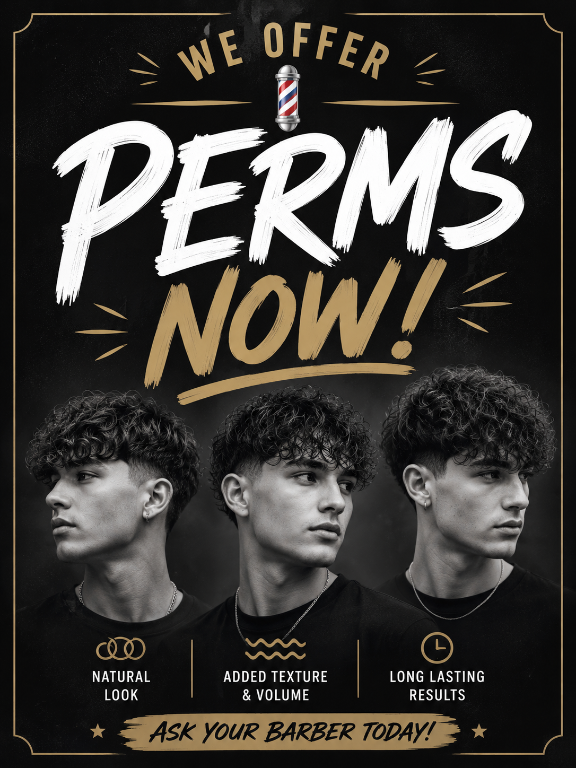
Choose a salon when the job sits outside the barbering services you need. Major colour corrections, bleaching, highlights, perms and extensive chemical work call for a stylist with the right specialist training and a portfolio that matches your goal. The same applies if you have very long hair and want a particular layered or editorial finish that a salon stylist produces every day.
There is also a personal preference element. If you have found a stylist who understands your hair perfectly, there is no reason to change for the sake of calling it a barbershop. The point is not allegiance. It is getting the right result, with proper advice, from somebody who respects the time and money you are putting into your appearance.
For the man who wants clean, repeatable grooming with a bit of downtime built in, a good barber is difficult to beat. Book your cut before your current style loses its edge, and give your barber a clear picture of how you want to look when you walk back out into Southampton.